The Best Longboards for Beginners
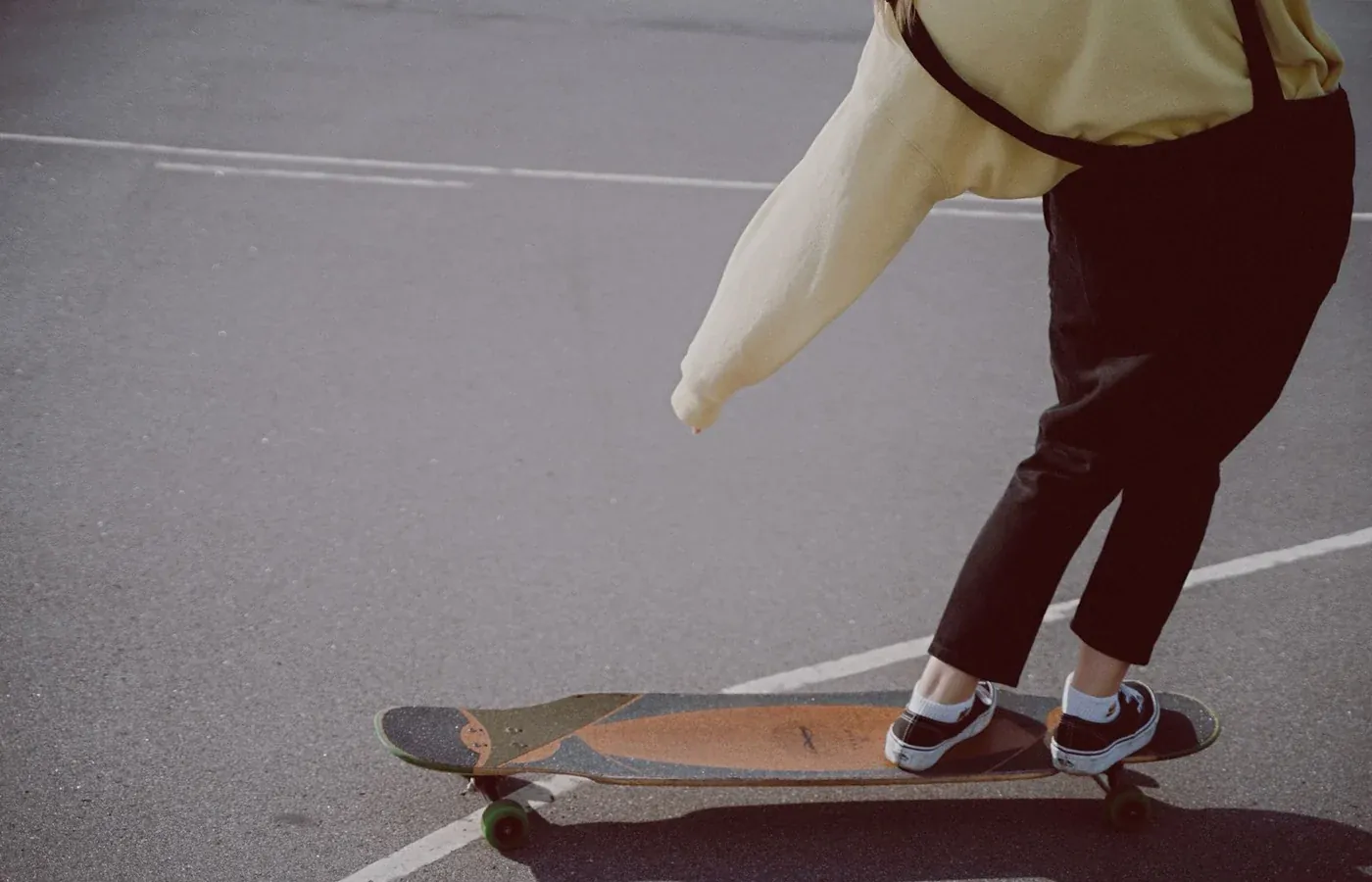
Beginners want a stable, forgiving longboard: a pintail for cruising and carving, or a lower drop-through for easy pushing and commuting. Look for big soft 78A wheels, a longer wheelbase for stability, and skip fast downhill boards until you can stop confidently. Budget $90–$180 for a solid complete.
A longboard is the smoothest, most relaxing way to ride a skateboard. Where a street deck is twitchy and trick-focused, a longboard is stable, fast-rolling and built for covering ground — carving down a hill, cruising the boardwalk, or commuting across town. For beginners it's often less intimidating than a short board, because the extra length and big soft wheels make it far more forgiving. Here's how to choose your first one.
Why a longboard is beginner-friendly
The longer deck and wider wheelbase give a longboard natural stability — it doesn't dart around under your feet the way a short cruiser can. Big soft wheels (typically 70mm+ at 78A–80A) roll over cracks, gravel and rough pavement that would stop a street board, and they carry speed beautifully. If your goal is comfortable riding rather than tricks, a longboard is genuinely easier to start on than a popsicle deck. Browse beginner longboards to see the field.
Pintail longboards
The classic pintail shape — a teardrop deck sitting on top of the trucks — is the quintessential cruising and carving board, and a great beginner pick. The top-mount design gives a surfy, responsive feel that's perfect for mellow riding and flowing turns. Pintails handle boardwalks and gentle hills wonderfully; they're less suited to fast downhill, which is exactly what most beginners want anyway.
Drop-through longboards
A drop-through mounts the trucks through the deck, lowering your ride height. That lower center of gravity makes the board more stable at speed and, crucially, easier to push and brake for commuting — your foot has less distance to reach the ground. If your main use is getting from A to B over longer distances, a drop-through is often the more practical beginner choice than a pintail.
What to avoid at first
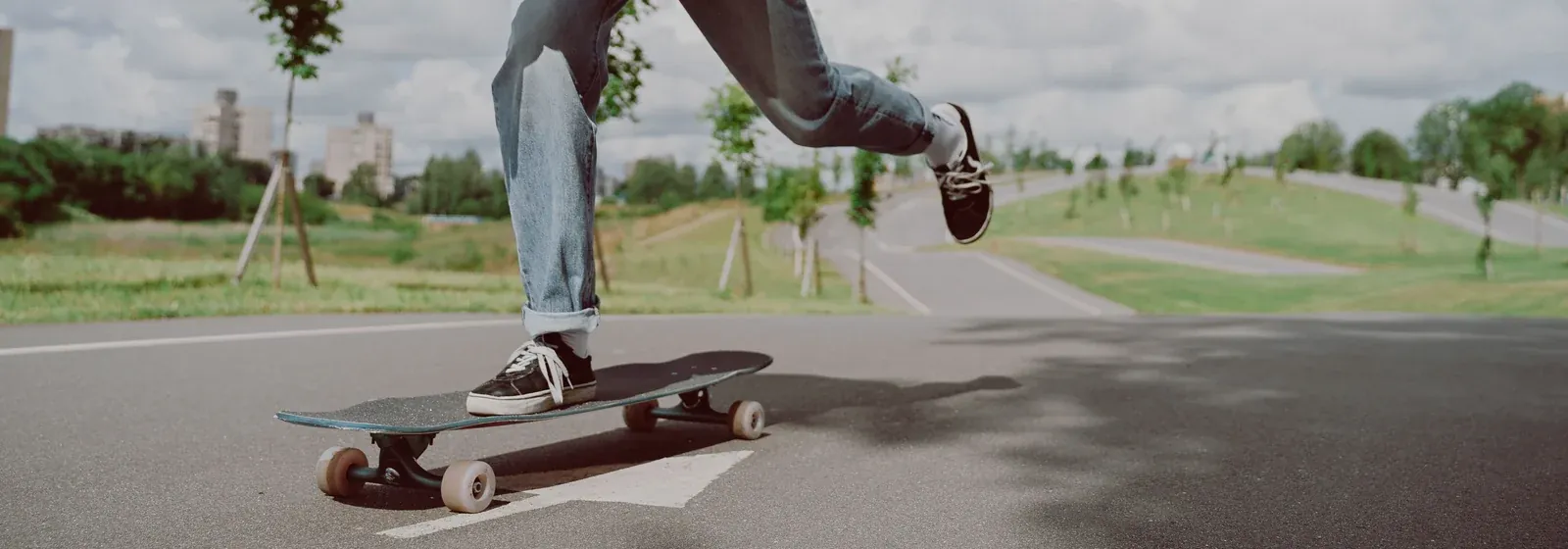
Skip the specialist downhill and freeride boards until you've got the basics down. Those stiff, low, fast setups are built for speed you can't yet control or stop, and the number-one skill a longboarder needs is confident braking — foot-braking or sliding — before chasing hills. Learn to ride, carve and stop on a mellow cruiser or drop-through first. When you do progress to sliding, add slide gloves with replaceable pucks.
Sizing and setup
Beginner longboards typically run 38"–42" long — enough length for stability without being unwieldy. Look for a complete with quality reverse-kingpin trucks (which carve better than standard skate trucks), big soft wheels, and decent bearings. A bamboo longboard adds a pleasant flex that smooths the ride. As always, buy a genuine complete rather than a toy — the trucks and bearings on cheap boards ruin the experience.
Longboard vs cruiser
Not sure whether you want a full longboard or a smaller cruiser? It comes down to distance and portability. A longboard rolls faster and rides smoother over long distances but is a hassle to carry; a cruiser is more portable for short hops. Our cruiser guide covers the smaller end. For pure door-to-door commuting comfort, though, the longboard wins — and it's a joy to just carve for its own sake.