The Best Skateboards for Beginners (2026 Buying Guide)
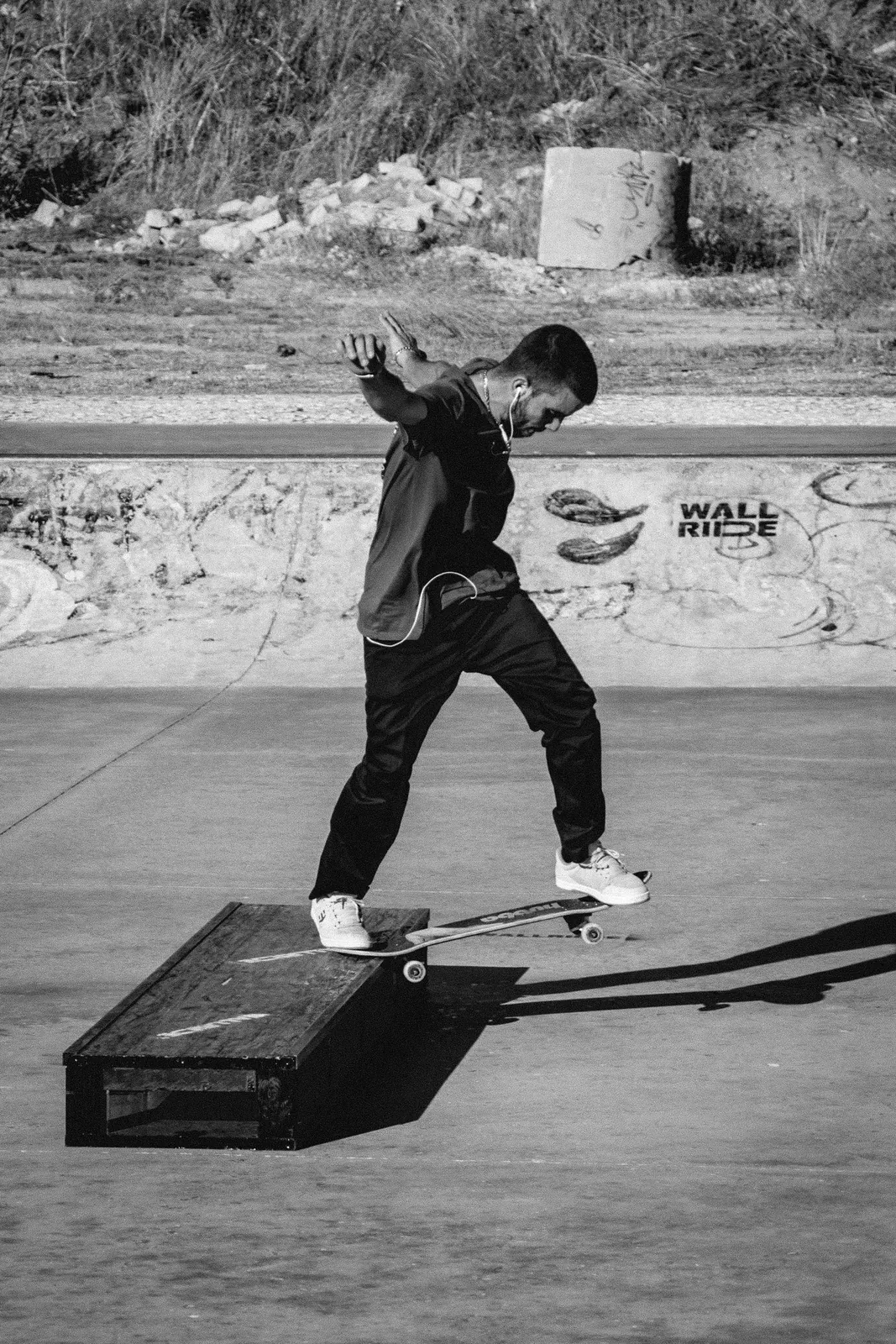
Buy a complete skateboard from a real skate brand, not a department-store toy. An 8.0" street complete ($60–$100) is the safe all-rounder; go for a cruiser if you mainly want to get around. Anything under about $40 has soft trucks and gritty bearings that make learning harder.
Your first skateboard matters more than you'd think. The wrong board — a rigid toy-store deck with plastic trucks and seized bearings — turns skating into a fight, and plenty of would-be skaters quit because their equipment never gave them a chance. The right board rolls smooth, turns predictably and pops when you ask it to, and suddenly the whole thing clicks. The good news: getting the right board is simple and cheap once you know the two or three things that actually matter. This guide walks you through them, then points you at the boards worth buying.
Buy a complete, not a custom build
The single best decision a beginner can make is to buy a complete skateboard — a board that arrives fully assembled with the deck, trucks, wheels, bearings and grip tape already matched and mounted. Building your own from separate parts is satisfying later on, but as a first-timer you don't yet know what you like, and a factory-assembled complete from a genuine skate brand rides better and costs less than sourcing parts piecemeal. Browse our full range of beginner complete skateboards to see the field, and read our deeper complete vs. building your own comparison if you're tempted to piece one together.
Get the size right
Deck width, not length, is the number that counts, and it's chosen by your shoe size and where you'll skate — not your height. For a typical adult skating streets and parks, an 8.0" deck is the modern all-rounder: stable enough to feel planted, narrow enough to flip. Smaller feet and technical street skating suit 7.75"; bigger feet, ramps and bowls suit 8.25" and up. Kids do best on 7.0"–7.5". We break the whole thing down in how to choose a deck size, but if in doubt, 8.0" rarely disappoints.
Street complete or cruiser?
Be honest about what you want to do. If you dream of ollies, kickflips and skateparks, get a standard popsicle-shape street complete with hard wheels. If you mostly want to roll to class, the shop or the beach in comfort, a cruiser with soft wheels is far more fun — it glides over cracks and rough pavement that would stop a street setup dead. Many people start with one and add the other later; there's no wrong answer, only the wrong board for your goal. Our cruiser skateboards cover the get-around crowd.
What to spend
A solid brand-name street complete runs $60–$120; cruisers and longboards land at $80–$180. The temptation is to grab a $25 board off a general retailer's shelf, but those toy boards use soft cast trucks and unsealed bearings that fight you the whole way. Spend a little more on real components and skating becomes learnable. You do not need a pro-level board to start — you need an honest one.
Beginner boards worth buying
Any complete from an established skate brand will serve you well, but a few categories stand out for first-timers. A basic 8.0" maple street complete is the default; a soft-wheeled cruiser is the commuter's pick; and a slightly wider 8.25" complete gives nervous beginners extra stability. Whatever you choose, make sure it's a 7-ply maple deck with metal (not plastic) trucks and sealed bearings — those three things separate a real skateboard from a toy.
Gear up to stay skating
Two cheap additions keep beginners on the board rather than on the couch. First, protective gear — at least a certified helmet and wrist guards, since wrists take the brunt of early falls. Second, a decent pair of skate shoes; flat, grippy soles give you the board feel that trainers can't. Add a skate tool for tightening trucks and you're fully set. From there, it's just time on the board.