The Best Skateboards for Kids (by Age & Size)
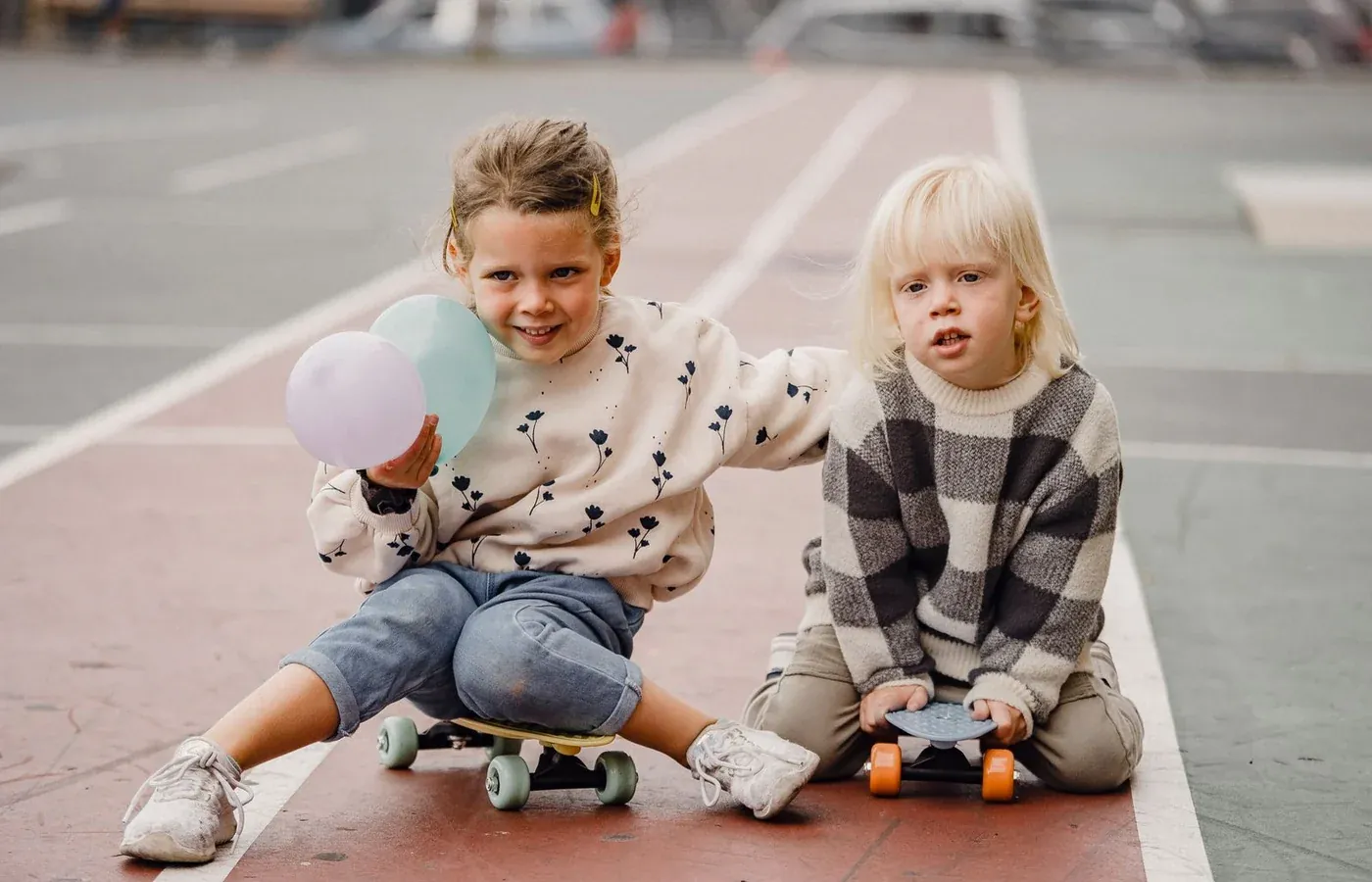
Size a kid's board by shoe size: 7.0" deck for little kids (up to ~US 3), 7.3" for ages 9–12, 7.5"+ for teens. Buy a real complete, not a toy — and always add a certified helmet and pad set. Undersizing slightly beats oversizing; a board they can control keeps them skating.
Buying a first skateboard for a child is one of the best gifts going — but the wrong board (too big, too cheap, or a rigid toy) can put a kid off skating before they've had a fair shot. Get it right and you're setting up years of outdoor fun and genuine skill-building. The rules are simple: size it to their feet, buy a real complete, and never skimp on the helmet. Here's the full breakdown.
Size by shoe, not age alone
Kids come in all sizes, so use shoe size as your main guide. Roughly: little kids (ages 5–8, up to about US 3 shoe) do best on a 7.0" deck; ages 9–12 on a 7.3"; and teens moving toward adult sizing on 7.5"–7.75". When in doubt, size down — a board a child can actually flick and control builds confidence, while an oversized deck just frustrates them. Our kids' complete skateboards are sized for exactly this.
Buy a complete, not a toy
The same rule that applies to adults applies double for kids: buy a genuine complete skateboard from a real skate brand, not a $20 character-branded board from the toy aisle. Those toys use soft plastic trucks and seized bearings that make the board hard to push and impossible to control — a recipe for frustration and scraped knees. A proper kids' complete with metal trucks and sealed bearings costs a little more and works far, far better.
Protective gear is non-negotiable
For children, a certified helmet is mandatory, full stop — and in many US areas it's legally required for minors. Add a matched kids' pad set with knee pads, elbow pads and wrist guards, since wrists and knees take the brunt of early falls. A well-protected kid falls, laughs and gets back up; an unprotected one falls once and quits. It's the cheapest, most important part of the purchase. See our full protective gear range.
Cruiser or street board for a kid?
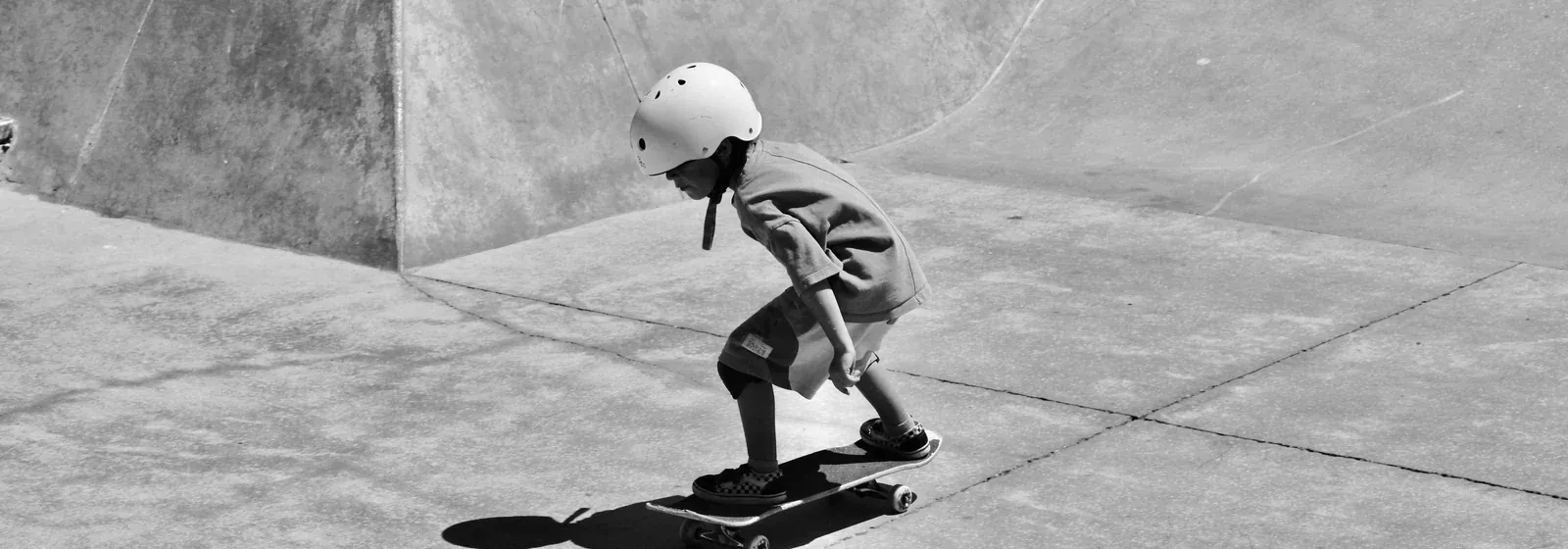
Most kids want a standard street complete so they can learn to ollie and skate the park like their heroes. But if your child mainly wants to cruise around the neighborhood, a small mini cruiser with soft wheels is more forgiving and fun for getting around. Either works — just match it to what excites them. A board they're keen to ride is the one they'll actually use.
Setting them up to succeed
Start them on smooth, flat ground away from traffic — an empty parking lot, a quiet path, or a skatepark's beginner area. Teach the basics: how to stand, push and turn, then how to fall safely (onto pads, rolling, not with stiff arms). Keep the trucks a touch loose for easy turning while they learn. A skate tool lets you adjust the board as they grow more confident, and cushioned skate shoes give them the board feel that trainers can't.
Growing with the board
Kids grow fast, and their boards will need to keep pace — expect to size up the deck every year or two as their feet and skills develop. The good news is that trucks, wheels and bearings often carry over to a new, larger deck, so the first complete is rarely money wasted. When it's time to upgrade, our deck size guide and beginner guide will help you pick the next one.