How to Ollie: A Beginner's Step-by-Step Guide
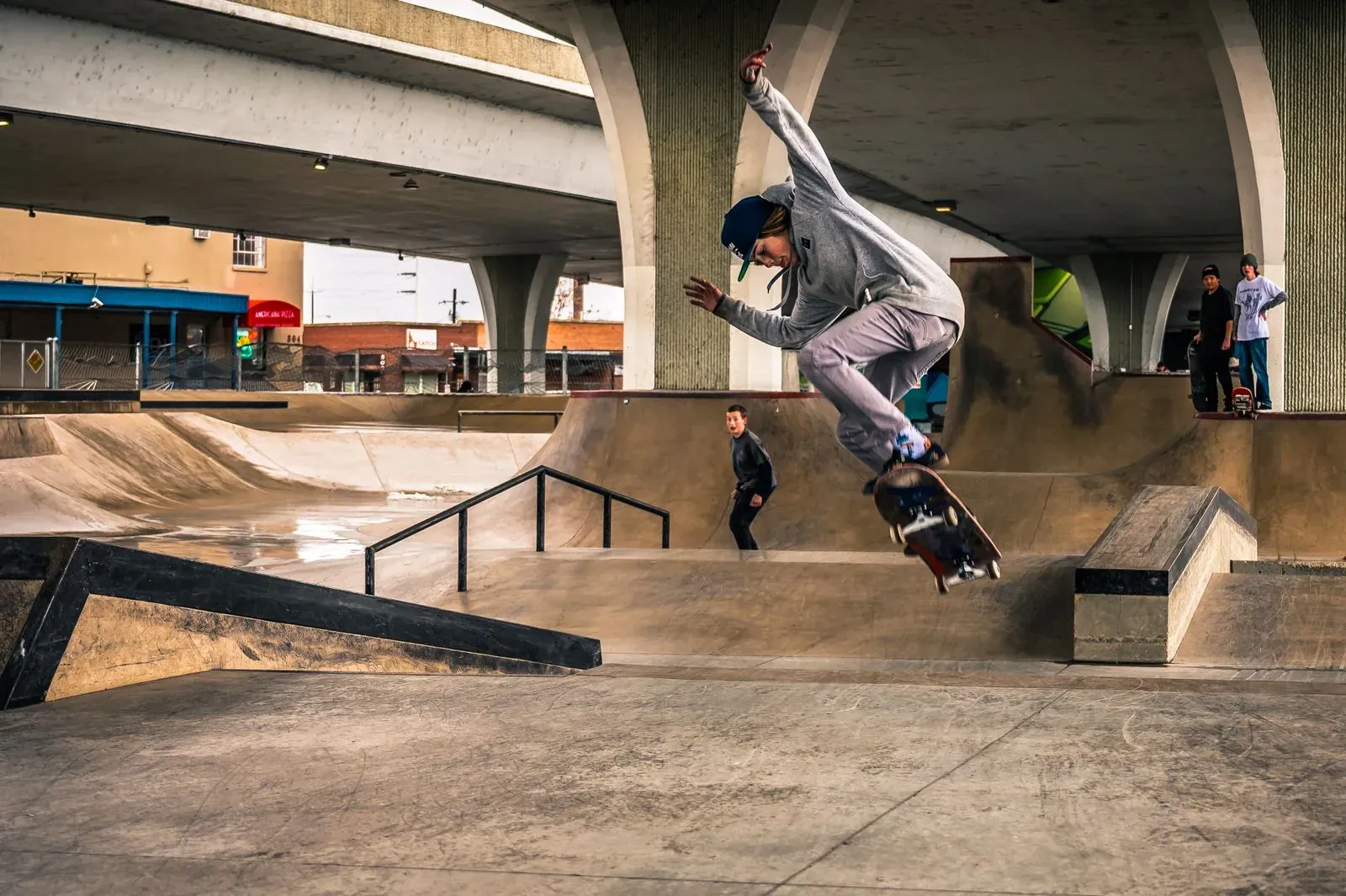
The ollie is a pop, drag and level-out: snap the tail down hard, slide your front foot up to the nose to pull the board up, then level it out and land over the bolts. Learn it stationary first, keep your shoulders square, and expect it to take weeks — everyone struggles at first.
The ollie is the first real trick every skater learns, and the foundation for almost everything that follows — kickflips, grinds, jumping stairs, all of it starts with the ability to pop the board off the ground with your feet. It's also famously frustrating: the motion is counterintuitive, and nearly everyone spends a demoralizing week or two before it clicks. Stick with it. Here's the clear, step-by-step breakdown.
Before you start: get set up right
You'll learn far faster on a properly set-up board. Make sure your trucks aren't so loose the board wobbles, your grip tape is fresh enough to grip your shoe, and you're wearing flat skate shoes — you cannot feel the board through running shoes. A certified helmet and wrist guards are smart, because you will fall while learning this.
Step 1: foot position
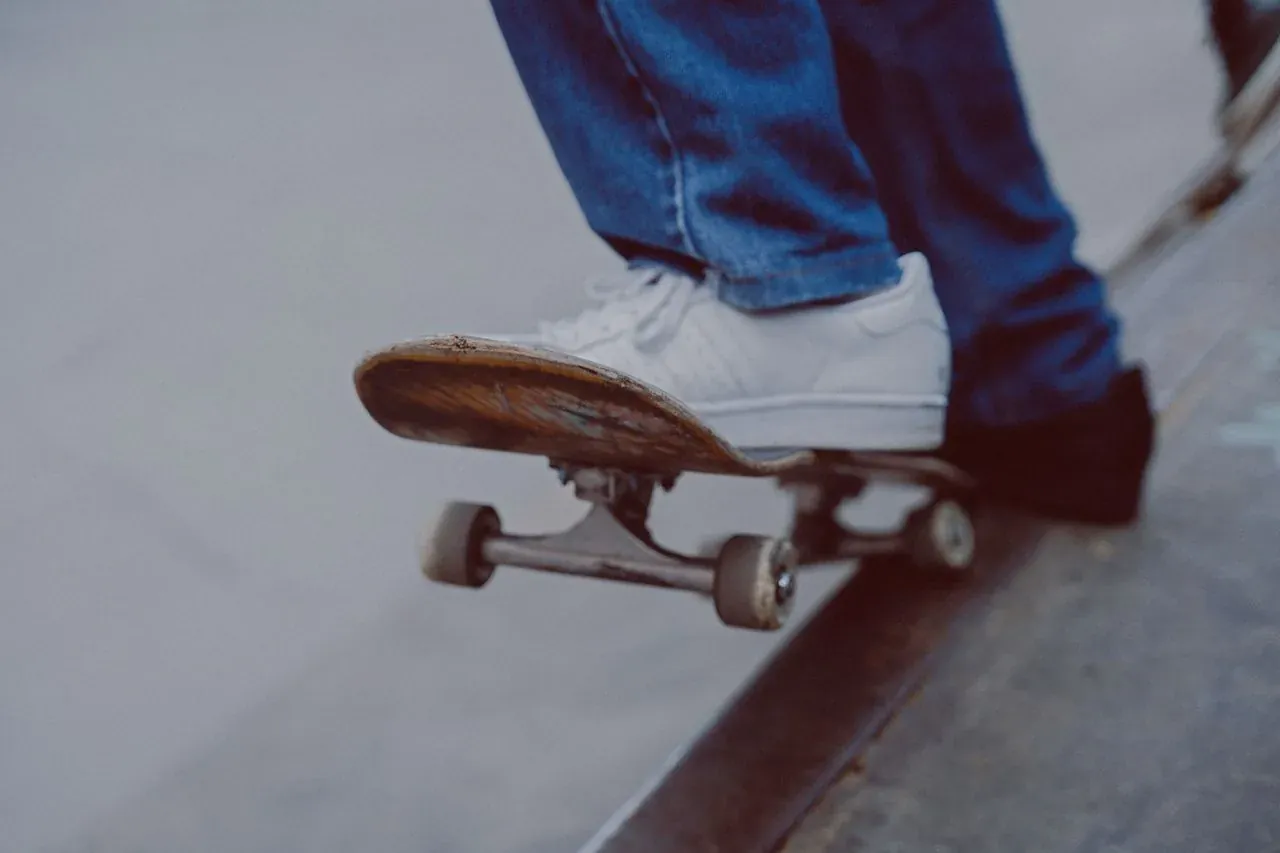
Place your back foot on the tail, ball of the foot centered on the kick. Place your front foot around the middle of the board, just behind the bolts, angled slightly. This is your launch position. Spend time just standing in it until it feels natural — good foot placement is half the trick.
Step 2: the pop
The ollie begins with a sharp downward snap of the tail — you're slamming the tail to the ground with your back foot to make the board rebound off it. This 'pop' is the engine of the whole trick. Practice it stationary: bend your knees, then strike the tail down crisply. You should hear a loud crack as the tail hits the ground. Don't stomp slowly; it's a fast snap.
Step 3: the drag
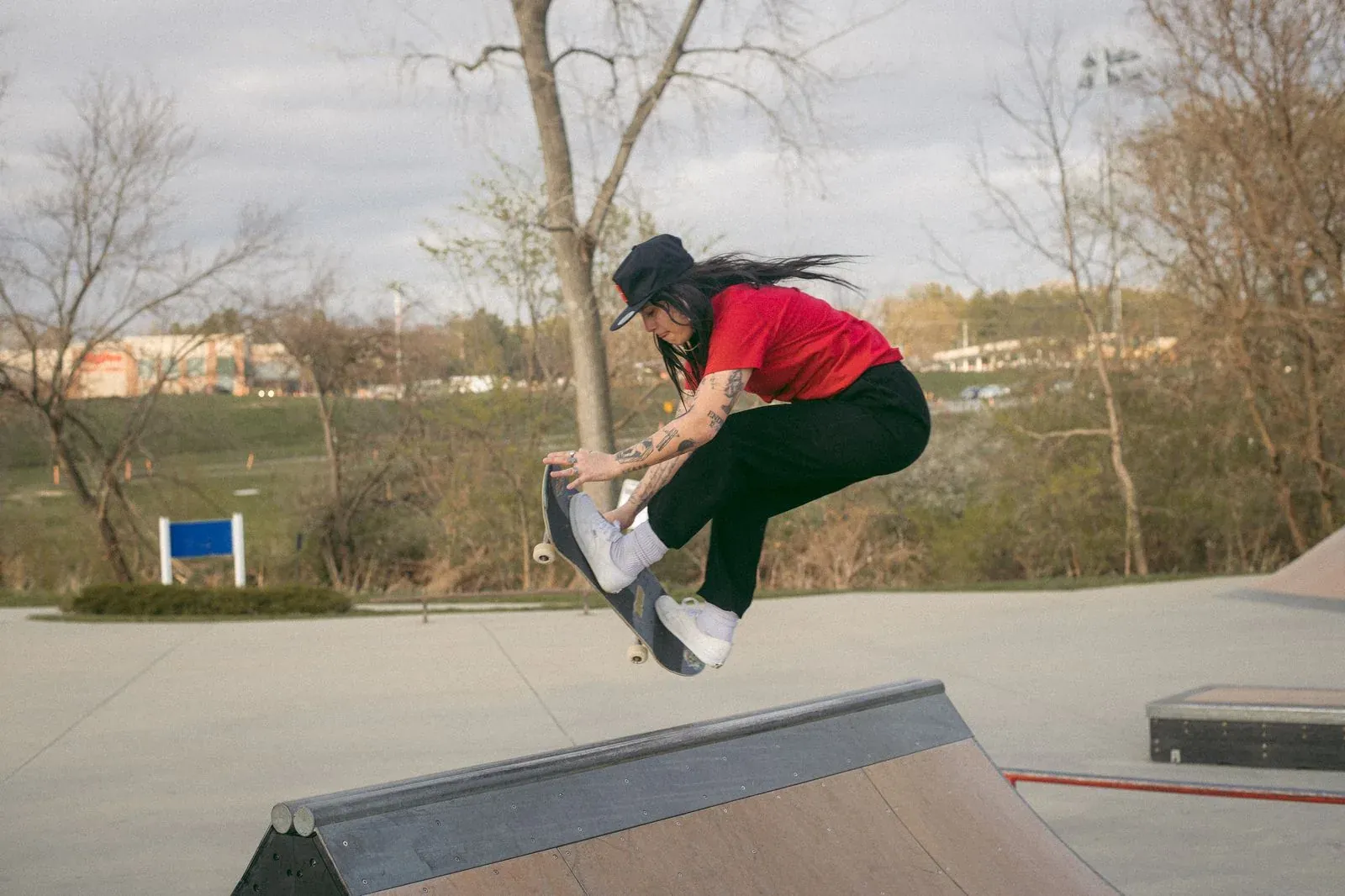
The instant you pop, slide your front foot up toward the nose, using the side of your shoe against the grip tape to drag the board upward with you. This is the part that feels impossible at first and the part that actually lifts the board. The friction between your shoe and the grip is what pulls the board up into the air. Fresh grip and suede shoes make this dramatically easier.
Step 4: level out and land
As the board rises, lift your back foot so the board can level out horizontally, and bring both knees up toward your chest. Aim to land with both feet over the bolts (above the trucks), knees bent to absorb the impact. Landing over the bolts protects the board and keeps you balanced; landing on the tail or nose snaps you off. Roll away and you've done it.
Practice smart
Learn the ollie stationary first — standing still against a crack or a fixed object so the board can't roll away — before trying it moving. Keep your shoulders square to the board; twisting throws the whole thing off. Film yourself if you can; you'll spot instantly whether you're actually dragging the front foot. And be patient: two to four weeks of daily tries is completely normal. Everyone who can ollie was once exactly where you are.
What to skate next
Once your ollie is dialed, the skate world opens up: ollie up curbs, over cracks, then onto and off small ledges. It's the gateway to the kickflip and every trick beyond. Keep your board healthy with a skate tool for quick truck adjustments, and when your grip wears smooth, re-grip it — a fresh sheet makes ollies noticeably easier. From here, it's all reps.